 reviews features podcasts email bio
|
The Story so far... Label & Artist Submissions Accepted for Review...
|
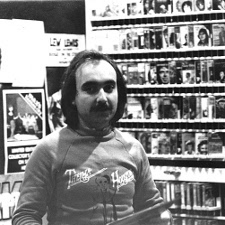
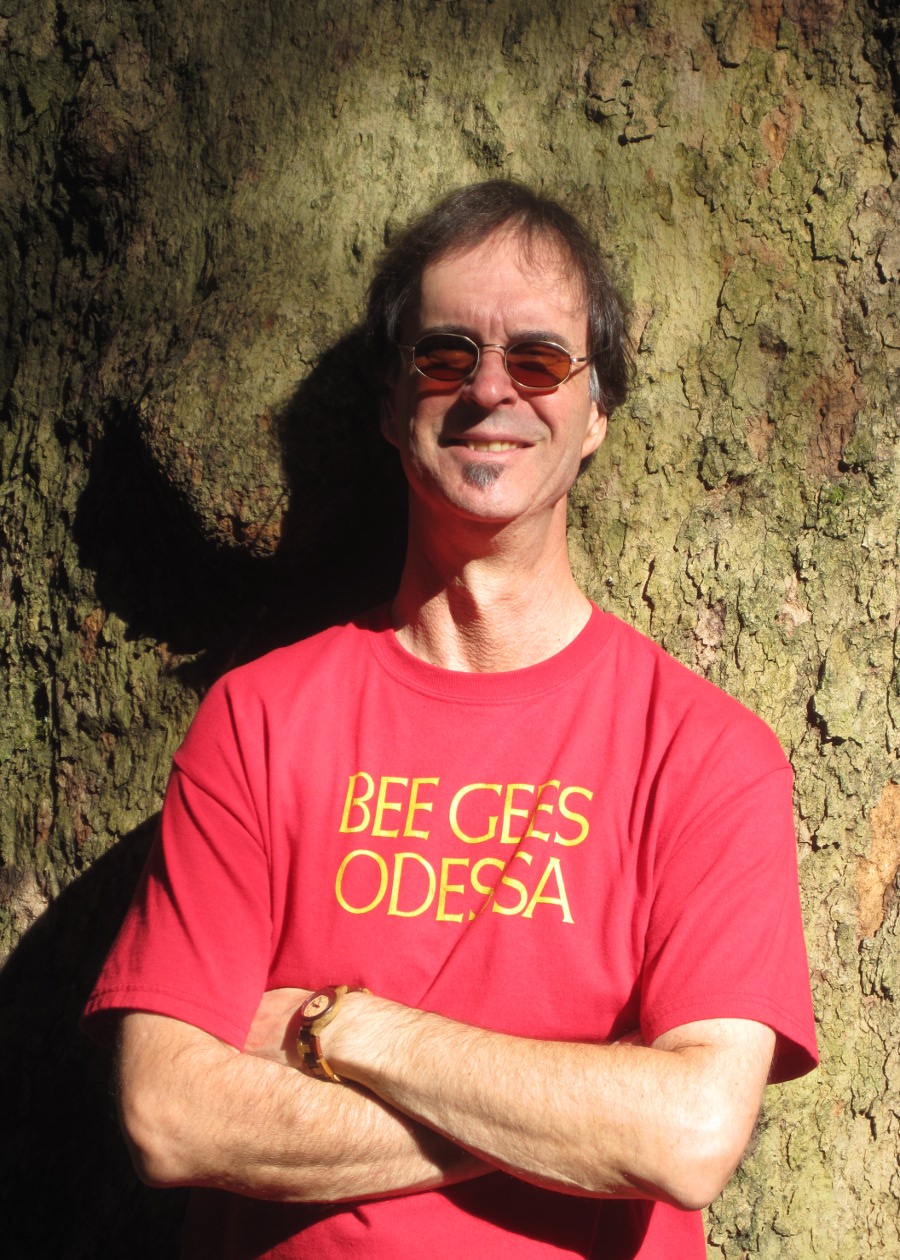
Archie Patterson began Eurock in 1971 as an FM radio program on KFIG-FM in Central California. In 1973, he expanded his work to include a magazine of the same name. His audience had grown, as had an alternative culture centered on the independent music scene, which began developing all around the world during the late 1960s. In the mid 1970s, Patterson moved up to Portland, Oregon, to help found Interglactic Trading Company, the first national import-based retail music company in the USA. Eurock Magazine meanwhile was growing in influence to become the definitive English-language source for information on the rapidly expanding indie music scene in places as far ranging as Russia, Japan, continental Europe and Latin America. While in Portland, Patterson was also involved in programming a weekly Sunday night international music program on KINK FM. In the early 1980s, Patterson received a call from a new start up company, Los Angeles based Greenworld, inviting him to join them in creating a full-scale wholesale import music company. While working with them Patterson expanded their wholesale distribution and set up their retail direct mail company Paradox Music. At the same time, Patterson did special programming on KPFK Pacifica radio, featuring music and interviews with artists that passed through town. The distribution of Eurock Magazine branched out into the mainstream newsstands of L.A., and even reached into the realm of TV program placement and movie producers offices. While living in L.A. Patterson also began the Eurock label, which released music by artists who explored music outside the mainstream. By the mid 1980s, the concept of Eurock had become about much more than simply the business of music. After moving back to Portland, Patterson formed his own company. The focus was on the new music emerging out of Europe and the rest of the world, which was blossoming into a full-fledged cultural movement in opposition to the mainstream music industry. During the 1990s, Eurock developed an extensive international network supplying information, promotion and production. In addition, Patterson began teaching music history in the Portland public school system, as well as offering seminars at Reed and Lewis & Clark Colleges. From those classes he compiled his music history lectures into an extensive 7 CD audio book series documenting two decades of his work chronicling the International music scene. In 2000, Eurock Magazine stopped publishing and eurock.com became a webzine featuring interviews, reviews and features on myriad international musicians. Patterson has also been involved in several significant productions. These include the 5-CD box set Supernatural Fairy Tales: The Progressive Rock Era (Rhino Records), a multi-media CD ROM titled The Golden Age, and the book Eurock: European Music and the Second Culture. He has also written liner notes for notable European album releases - The Move Live at The Fillmore West 1969, Conrad Schnitzler, Agitation Free & Doombient electronic band ['ramp]... In addition, there is an extensive and adventurous Eurock catalog of DIY Productions that stretches back to 1980. That includes 12 cassettes by various European artists, among them The Hundred Points by the banned Czech band Plastic People of the Universe and noted French composer Cyrille Verdeauxs 6 cassette opus The Kundalini Opera, the vinyl release American Music Compilation and 17 CDs by various U.S. and European artists, including Tim Story, Erik Wollo & Gandalf. Since 2000, he has worked with noted Post Symphonic artist & composer Mikhail Chekalin documenting his work, producing 4 DVDs, along with 43 CDs on the MIR Records label. The ultimate form of recognition from Eurock came in July 2013. Jennie Thomas, Head Archivist for the Museum of the Rock & Roll Hall of Fame contacted Patterson. She asked if he would like to include his works created over the past 40 years to the HOF Museum archives. He sent them original copies of all issues of Eurock Magazine, a complete set of all Eurock Distribution Catalogs, and copies of both books European Rock & the Second Culture + Music & Culture Post Millennium and a copy of The Golden Age. He is beginning work now on his third next book, which has a working title of Music & the Second Culture Crash scheduled for publication in Summer 2015. Patterson commented about this by saying, The greatest part of doing Eurock was sharing music by artists whose work I admired with people all around then world and having many of them tell me thank you for bringing it into their lives. I feel honored to have my life work doing Eurock included in the hallowed halls of the Rock & Roll Hall of Fame Museum. That means that now all of the musicians Eurock helped, promoted and wrote about over the years will be a part of official rock history. I could never have imagined such a thing happening and today still find it hard to believe. I am thrilled!
Archie Patterson
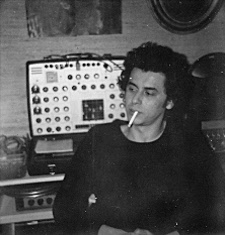
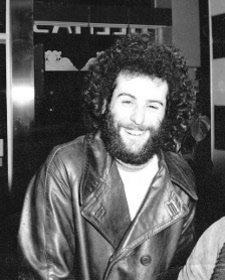
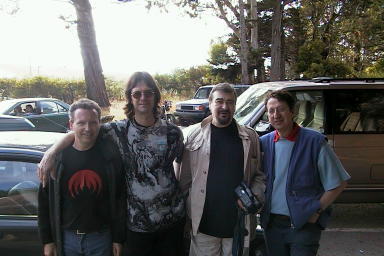
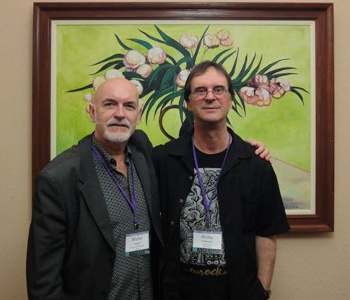
SF ProgFest 1999 Bernard Gueffier, Archie Patterson ~ Michel Huygen & Archie Patterson Giorgio Gomelsky & Jean Claude Granjeon ~ Hearts of Space AMBicon 2103
|
||